Your Paper Restoration Questions, Answered
Below is a list of frequently asked questions that we receive at ACA Paper Restoration. If you have additional questions, give us a call or submit your question through our Contact Us page.
General FAQs
Most paper restoration projects range from $200 to $1,000, depending on the size of the item, the extent of the damage, and the conservation treatments required. Extremely large items, such as wall maps, high value fine art, or highly complex restoration projects may exceed this range. We provide a detailed estimate before any work begins.
Most restoration projects are completed within approximately one month. Larger or more complex conservation treatments may require additional time, while rush services may be available depending on the project. An estimated timeline is provided during the consultation process.
Yes. Although our conservation studio is located in Devon, Pennsylvania, we work with clients throughout the United States. We safely receive and return documents, artwork, maps, photographs, and other paper-based items through secure shipping methods.
We recommend following the packaging instructions on our How to Package Your Item page. Using archival materials and rigid packaging helps protect your item during transit. If needed, professional packing and shipping stores can also assist with preparing your item safely.
Yes. Every restoration and conservation treatment is completed by our experienced conservators in our own studio. We never outsource restoration work, allowing us to maintain the highest standards of quality and care.
Each completed project is carefully wrapped in archival-quality materials and protected for pickup or shipment. Items being shipped are packaged in custom-built protective containers designed to ensure safe delivery.
We do not provide framing or refitting services. However, we are happy to recommend trusted professional framers who specialize in museum-quality and conservation framing.
Prints, Documents & Watercolor
Restoration FAQs
No. Professional conservation treatments are specifically selected to preserve your print, document, or watercolor, not damage it. Every restoration plan is carefully customized based on the item's materials, condition, age, and long-term preservation needs. We only recommend safe, conservation-grade treatments designed to stabilize and restore your artwork or document while protecting its historical, artistic, or sentimental value.
No. We will never recommend or perform a treatment that would decrease the value of your print, document, or watercolor. In most cases, existing damage, such as tears, stains, mold, water damage, fading, or acidity, has already diminished the item's condition and value. Professional conservation helps stabilize the piece, prevent further deterioration, and can often restore some of its historical, artistic, monetary, or sentimental value.
Unfortunately, no. Once inks have faded, there is currently no conservation treatment that can restore the original color or intensity. However, professional conservation can stabilize your document to help prevent further deterioration and protect it from environmental damage, including UV light, moisture, pollutants, and improper handling.
Yes. We regularly restore prints, documents, and watercolors affected by water damage, staining, mold, tears, creases, folds, and brittleness. Every item is carefully evaluated to determine the safest and most effective conservation treatment based on its materials, condition, and preservation needs.
We restore a wide variety of paper documents, including:
- Historical documents
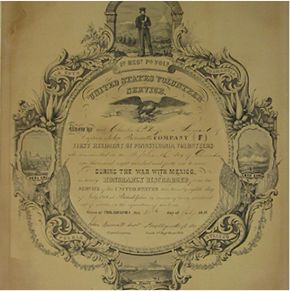
- Certificates and diplomas
- Family records
- Deeds and legal documents
- Military records
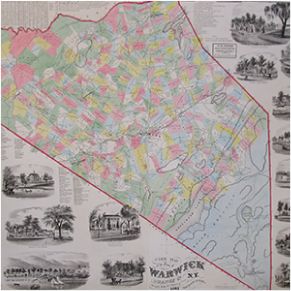
- Maps
- Manuscripts and letters
- Genealogy records
- Books and paper ephemera
- Fine art prints, including lithographs, engravings, etchings, screen prints, woodcuts, and giclée prints
- Watercolor paintings, pastel paintings, and gouache paintings
- Ink drawings, pencil drawings, and graphite drawings
If you're unsure whether your item can be restored, we're happy to evaluate it and recommend the most appropriate conservation treatment.
No. Professional conservation treatments are designed to preserve the existing pigments, inks, and artwork, not cause them to fade. Every print, document, and watercolor is carefully evaluated before treatment, and we use conservation-grade methods that protect the integrity of the original materials while helping prevent further deterioration.
Yes. Many damaged prints, documents, and watercolors can be professionally restored and conserved. We treat a wide range of issues, including tears, stains, water damage, foxing, mold, creases, tape residue, acidity, discoloration, and brittleness. Treatments may include surface cleaning, stain reduction, tear repair, flattening, deacidification, stabilization, and other conservation techniques, depending on the item's condition. Every piece is individually evaluated to determine the safest and most effective restoration approach.
Preservation & Conservation FAQs
Paper conservation is the professional preservation and restoration of paper-based materials, such as artwork, historical documents, maps, books, photographs, and archival records. Conservation focuses on stabilizing items while preserving as much of the original material as possible.
Conservation focuses on preserving and stabilizing an item to prevent further deterioration. Restoration may also include treatments that improve the appearance or usability of the piece while respecting its historical integrity. Many projects involve both conservation and restoration techniques.
Store paper items in a cool, dry environment away from direct sunlight, moisture, and fluctuating temperatures. Acid-free archival folders, boxes, and sleeves provide the best long-term protection. Avoid basements, attics, and prolonged exposure to UV light.
Professional paper conservation can address many common issues, including:
- Tears and losses
- Water damage
- Mold damage
- Foxing (brown spotting)
- Acidic discoloration
- Creases and folds
- Surface dirt
- Brittle paper
- Adhesive and tape damage
- Cockling and distortion
Need Professional Print and Document Restoration?
Let us bring your work on paper back to life!
